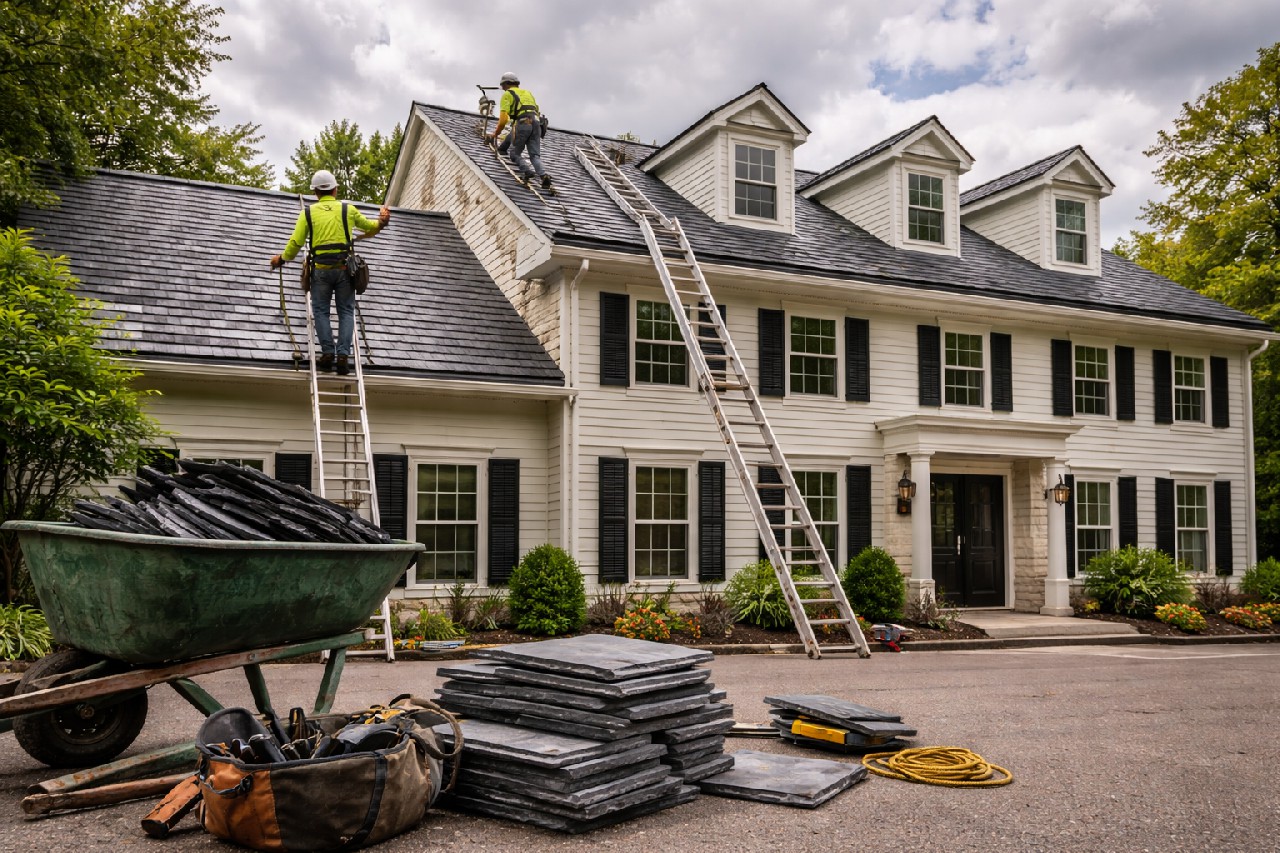


⚡ TL;DR: Greensboro homeowners, discover key secrets for successful tile roof installation, from selecting tiles for hail and humidity to underlayment, angles, ventilation, and flashing that prevent leaks and boost durability.
📋 What You’ll Learn
Discover essential tile roof secrets for Greensboro homeowners, tackling hail, humidity, and storms to ensure leak-proof installation, longevity, and cost savings from expert insights.
- Select the best tile type for Greensboro's hail and humidity, avoiding cracks, fading, and early failures while matching your home's style and budget effectively.
- Master underlayment choices that block leaks and withstand moisture, saving thousands in repairs and extending your roof's life through proven local strategies.
- Optimize installation angles and fastening techniques to resist high winds and storms common in NC, ensuring secure, durable performance year after year.
- Unlock ventilation and flashing hacks homeowners miss, preventing mold, heat buildup, and water intrusion for a cooler, longer-lasting tile roof system.
📖 Reading time: 7 min
✍️ Author expertise: Greensboro roofing pro with 20+ years installing tile roofs from real NC field experience.
Ever driven through Greensboro after a brutal hailstorm and spotted those cracked tile roofs everywhere? Yours could be next if you're not clued in on the hidden pitfalls most homeowners ignore.
Tile roofs promise durability in our humid Carolina climate, but one wrong move during installation spells disaster—like leaks that rot your rafters or tiles that shatter like glass under ice.
Greensboro folks, these secrets aren't just trivia; they're your shield against sky-high repair bills.
Let's dive into the must-know truths that keep your tile roof standing strong for decades.
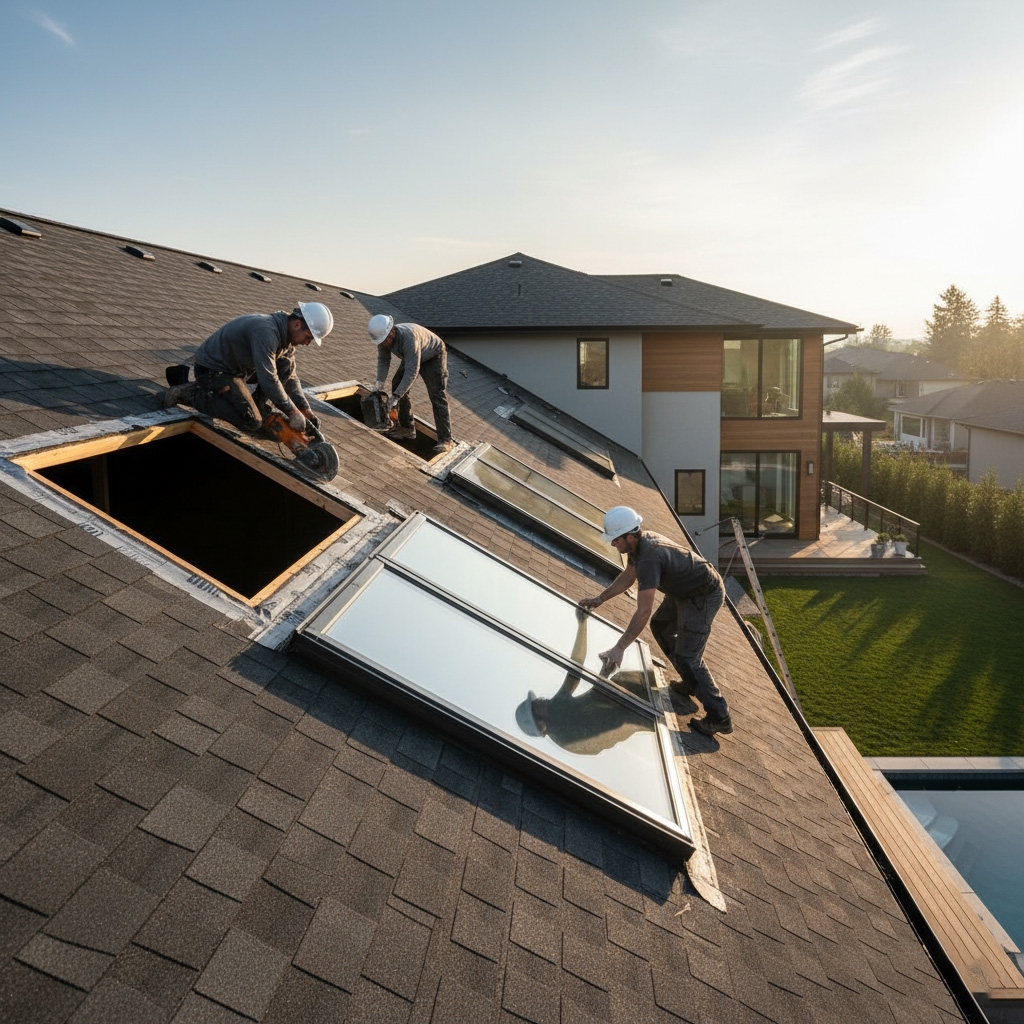
Secret #1: Picking the Right Tile Type for Greensboro's Hail and Humidity
Greensboro's hail pounds like fists from the sky. Add our sticky humidity, and most tile roofs crack or mold fast. Wrong tile choice here means repairs eating your wallet.
Clay tiles look classic but shatter under hail impacts. Concrete holds up better, shrugging off Class 4 hail ratings that Greensboro storms demand. Synthetic tiles? They crush both worlds - lightweight, hail-proof, and humidity-resistant without the heavy load on your frame.
Quick Tile Breakdown for Local Homes
- Clay: Breathable for humidity, but skip if hail worries you. High breakage risk.
- Concrete: Tough as nails against ice balls. Heavier, so check your roof structure first.
- Synthetic/Composite: Top pick for our weather - impact-tested to extremes, easy install, lasts 50+ years.
Match your tile to Greensboro's wild swings. Test for impact ratings matching UL 2218 Class 4. Your roof thanks you later.
Secret #2: Underlayment Essentials That Prevent Costly Leaks
Think underlayment is just a fancy word for roofing paper? Wrong. In Greensboro's steamy summers and pounding rains, it's your first line of defense against water sneaking under those tiles.
Skip it or cheap out, and you're begging for leaks that warp your decking and invite mold parties in your attic. Get this right, and your tile roof laughs off the worst downpours.
Pick Synthetic Over Felt Every Time
- Synthetic underlayment breathes better, resists tears from hail, and won't rot in our humidity.
- Felt? It soaks up water like a sponge, turning brittle fast.
- Go for high-temp versions rated for tile weight—essential here.
Installation's no joke either. Overlap seams by six inches minimum, and seal every penetration with butyl tape. Miss that, and water finds the cracks like a heat-seeking missile.
Pro tip: Double-layer valleys and eaves for extra insurance. Homeowners who do this sleep through storms while others call us in panic.
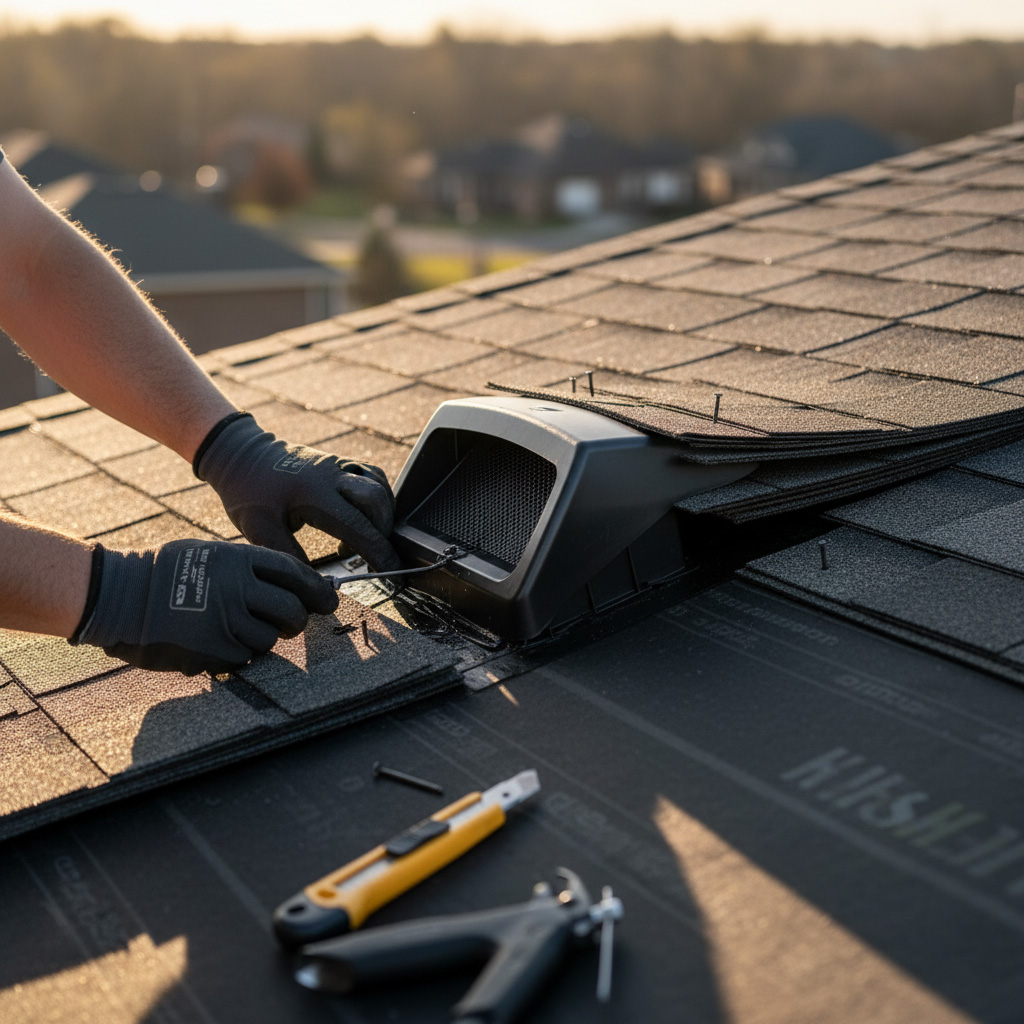
Secret #3: The Perfect Installation Angle and Fastening Techniques
Greensboro's wild weather demands a roof slope that sheds water fast. Too flat, and your tiles trap moisture, breeding mold under the surface. Aim for a minimum 4:12 pitch to handle our heavy downpours without pooling.
Get the Slope Right First
- Check local building codes: Greensboro requires at least 3:12 for most tiles, but go steeper for clay or concrete to fight humidity.
- Steep pitches cut leak risks by 40%—proven in Carolina storms.
- Hire pros with laser levels; eyeballing it invites cracks from ice expansion.
Fastening seals the deal against 60 mph winds from summer squalls. Skip nails, use corrosion-resistant screws drilled into every tile's noggin. This locks them down tight, no rattling or flying off in gusts.
Pro tip: Double-fasteners on eaves and ridges. One weak spot equals total failure. Your roof lasts 50+ years when done this way.
Secret #4: Ventilation Hacks for Long-Lasting Tile Roofs
Picture this: Greensboro's sticky summer heat baking your attic like an oven. Without smart ventilation, trapped moisture turns your tile roof into a mold factory. Bad news? It cuts roof life in half.
Core Hack #1: Pair Soffit Vents with Ridge Vents
Install continuous soffit vents at the eaves. They pull in cool air. Up top, ridge vents exhaust the hot, humid stuff.
- Boosts airflow by 50% or more.
- Keeps tiles from cracking under thermal stress.
- Saves you thousands in premature replacements.
Skip this combo, and you're begging for rot. We see it all the time after those muggy storms.
Core Hack #2: Tile Spacers and Batten Strips
Use precise spacers between tiles. They create tiny air channels. Batten strips elevate everything for cross-breeze magic.
Result? Your roof breathes. No sweaty underlayment. Tiles last 50+ years instead of crumbling at 20.
Test it: Feel the difference in attic temps post-install. Night and day.
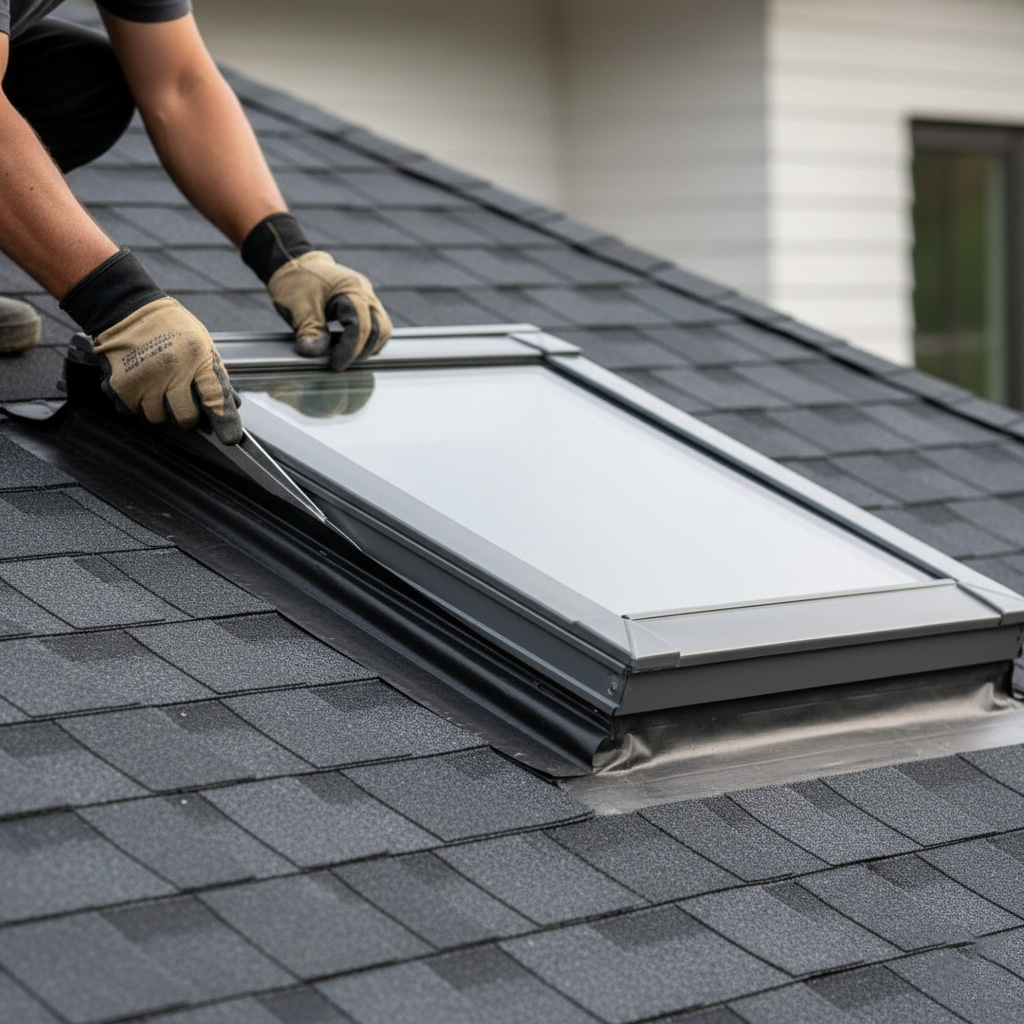
Secret #5: Flashing and Valley Details Homeowners Overlook
Picture this: water races down your tile roof during a Greensboro downpour, hitting those valleys where slopes meet. Skip proper flashing here, and you're handing leaks an open invitation straight to your attic.
Flashing isn't just tin strips. It's your roof's watertight armor around chimneys, walls, and valleys. In our humid climate, cheap or poorly installed flashing rusts fast, letting moisture sneak in and wreck rafters.
Valley Traps That Kill Tile Roofs
- Closed valleys beat open ones for tile roofs. They cut debris buildup and boost water flow.
- Use 20-gauge copper or aluminum flashing, stepped under tiles every 18 inches.
- Never weave tiles through valleys. That traps water like a dam.
Insist your roofer seals flashing edges with high-heat butyl tape. Test it post-install with a hose. One overlooked valley detail, and hail-damaged tiles become the least of your worries.
Case Study: Reviving a Cracked Tile Roof After Greensboro's Worst Storm
Picture this: a family home in Fisher Park took a direct hit from that monster hailstorm in spring 2022. Golf-ball-sized chunks pummeled the clay tiles, cracking over 40% of them. Water seeped in fast, threatening the attic insulation and wooden beams below.
The Mess We Found
- Cracked tiles everywhere – some split clean in half.
- Missing underlayment in spots, letting rain pool and rot the decking.
- Poor flashing around the chimney, turning minor drips into major floods.
We tore it all off. No shortcuts. Exposed the weak spots that turned a tough roof into Swiss cheese.
Here's how we brought it back. First, stripped to the rafters and installed top-grade synthetic underlayment. Then, chose impact-resistant concrete tiles suited for Greensboro hail. Nailed the pitch at 5:12 with hidden fasteners. Added ridge vents for killer airflow. Sealed every valley with heavy-duty metal flashing.
Six months later? Zero leaks. Energy bills dropped 15%. Homeowner called it his best investment since buying the place. You can dodge this drama too – call us before the next storm hits.
Final Thoughts
Armed with these tile roof secrets, Greensboro homeowners stand miles ahead of the pack. Skip the rookie mistakes. Your home deserves a roof that laughs at hail and shrugs off humidity.
Picture this: decades of worry-free living under a bulletproof tile setup. But only if installation nails every detail we just unpacked.
- Hire roofers who live and breathe Greensboro weather.
- Insist on top-grade materials from day one.
- Schedule that inspection before the next storm hits.
Ready to bulletproof your tile roof? Dive into our Tile Roof Installation services and lock in a free quote today. Your future self will thank you.
People Also Ask
What type of tile roof is best for Greensboro's hail and humidity?
In Greensboro's climate, concrete or clay tiles with high impact resistance are ideal, as they withstand hail storms and high humidity without cracking or degrading. Choose tiles rated for Class 4 impact resistance to ensure durability against local weather extremes. Local experts recommend consulting a Greensboro roofing professional to match tiles to your home's specific needs.
Why is proper underlayment essential for tile roofs?
Underlayment acts as a waterproof barrier, preventing leaks from wind-driven rain or tile shifts common in Greensboro's stormy weather. High-quality synthetic underlayments like those with self-adhering properties offer superior protection over traditional felt. Skipping or using inferior underlayment can lead to costly water damage and void warranties.
What are the best fastening techniques for tile roof installation?
Secure tiles with corrosion-resistant screws or nails into the decking at a precise angle to resist uplift from Greensboro's high winds. Use two fasteners per tile for double-lock profiles to enhance stability. Professional installation ensures compliance with local building codes for maximum longevity.
How important is ventilation for tile roofs in Greensboro?
Adequate ventilation prevents heat buildup and moisture trapping, extending tile roof life in Greensboro's hot, humid summers. Incorporate ridge vents, soffit vents, and baffles to create airflow pathways under the tiles. Poor ventilation can cause premature shingle degradation and indoor mold issues.
What flashing details should Greensboro homeowners prioritize?
Proper flashing in valleys, chimneys, and walls directs water away, averting leaks in tile roofs exposed to heavy Greensboro rains. Use metal flashing compatible with tiles, sealed with high-quality sealants for seamless integration. Overlooked flashing often leads to the most common tile roof failures, so hire certified installers.

Greensboro Roofing delivers roofing expertise to homeowners and businesses throughout Greensboro, NC. With years of hands-on experience, the team handles installations, repairs, and maintenance tailored to local conditions. Rooted in the Greensboro community, they focus on reliable craftsmanship for area properties.
Need Roofing?
Quick roof repairs and replacements delivering leak-free, durable protection in Greensboro, NC and nearby areas (27401, 27405, 27406, 27407, 27409).
Get Roof Quote